

Comparison table between ISO cleanliness levels and Class 10, Class 100, Class 1,000 and Class 10,000
Correspondence between ISO Class 1-9 cleanliness level, particle concentration and traditional clean room level
Understand the ISO 14644-1 cleanliness grade standard, quickly check the common correspondence between Class 10, Class 100, Class 1,000, Class 10,000, Class 100,000 and ISO Class, providing reference for clean room design, FFU, EFU, HEPA, ULPA and other clean air equipment selection.

| Traditional name for cleanliness | Commonly used ISO corresponding levels | ≥0.5 μm particle concentration limit | understand quickly |
| Level 10 | ISO Class 4 | 352 pieces/m³ | Higher cleanliness requirements |
| Level 100 | ISO Class 5 | 3,520 pieces/m³ | High cleanliness environment |
| Thousand level | ISO Class 6 | 35,200 pieces/m³ | Clean production environment |
| Level 10,000 | ISO Class 7 | 352,000 units/m³ | Common industrial clean environments |
| One hundred thousand level | ISO Class 8 | 3,520,000 units/m³ | General clean production environment |
| ISO grade | Traditionally used names | ≥0.1 μm | ≥0.2 μm | ≥0.3 μm | ≥0.5 μm | ≥1.0 μm | ≥5.0 μm |
| ISO Class 1 | — | 10 | 2 | — | — | — | — |
| ISO Class 2 | — | 100 | 24 | 10 | 4 | — | — |
| ISO Class 3 | — | 1,000 | 237 | 102 | 35 | 8 | — |
| ISO Class 4 | Level 10 | 10,000 | 2,370 | 1,020 | 352 | 83 | — |
| ISO Class 5 | Level 100 | 100,000 | 23,700 | 10,200 | 3,520 | 832 | 29 |
| ISO Class 6 | Thousand level | 1,000,000 | 237,000 | 102,000 | 35,200 | 8,320 | 293 |
| ISO Class 7 | Level 10,000 | — | — | — | 352,000 | 83,200 | 2,930 |
| ISO Class 8 | One hundred thousand level | — | — | — | 3,520,000 | 832,000 | 29,300 |
| ISO Class 9 | — | — | — | — | 35,200,000 | 8,320,000 | 293,000 |
| Traditional name for cleanliness | Commonly used ISO corresponding levels | ≥0.5 μm maximum allowable concentration |
| Level 10 | ISO Class 4 | 352 pieces/m³ |
| Level 100 | ISO Class 5 | 3,520 pieces/m³ |
| Thousand level | ISO Class 6 | 35,200 pieces/m³ |
| Level 10,000 | ISO Class 7 | 352,000 units/m³ |
| One hundred thousand level | ISO Class 8 | 3,520,000 units/m³ |
| Level 300,000 | No direct ISO correspondence | — |
| ISO grade | Commonly used traditional names | Typical application directions |
| ISO Class 1-3 | No common traditional correspondence | High cleanliness precision manufacturing, key processes, local clean areas |
| ISO Class 4 | Level 10 | Semiconductors, precision electronics, optics, key processes |
| ISO Class 5 | Level 100 | Semiconductors, electronics, medicine, laboratories, precision assembly |
| ISO Class 6 | Thousand level | Precision manufacturing, electronics, laboratory, optics |
| ISO Class 7 | Level 10,000 | Medicine, electronics, food, cosmetics, industrial clean production |
| ISO Class 8 | One hundred thousand level | General clean production, electronics, food, packaging |
| ISO Class 9 | — | Generally controlled environments and areas with relatively low cleanliness requirements |
| factor | Impact on cleanliness |
| HEPA/ULPA filter | Controlling particulate matter introduced into clean areas |
| FFU air volume | Affects air circulation and dilution capabilities in clean areas |
| ventilation rate | Impact on pollutant emissions and air renewal |
| airflow organization | Influence particulate matter diffusion and elimination |
| room seal | Reduce the entry of external polluted air |
| personnel activities | Personnel is an important source of particle pollution in clean rooms |
| Equipment produces dust | Process equipment may generate particulate contamination |
| Return air system | Affects air circulation and pollutant discharge |
| Differential pressure control | Control air flow between different areas |
| Operation management | Affects long-term cleanliness stability |
| target environment | Common filter directions | Common cleaning equipment |
| ISO Class 1-3 | High-efficiency filtration solutions such as ULPA | ULPA FFU, EFU, local purification equipment |
| ISO Class 4-5 | HEPA/ULPA | FFU, EFU, clean equipment |
| ISO Class 6 | HEPA | FFU, clean air conditioner, EFU |
| ISO Class 7 | HEPA | FFU, clean air conditioner |
| ISO Class 8 | HEPA | FFU, clean air conditioner |
| ISO Class 9 | Configure according to actual needs | Air filtration and HVAC systems |
| Equipment produces dust | Process equipment may generate particulate contamination | |
| Return air system | Affects air circulation and pollutant discharge | |
| Differential pressure control | Control air flow between different areas | |
| Operation management | Affects long-term cleanliness stability |
| product | Main function |
| FFU | Provide filtered circulating air supply to clean rooms |
| EFU | Provide filtered air inside the equipment and local clean areas |
| BFU | Used for clean air supply and local purification |
| HEPA filter | Efficiently filter fine particles in the air |
| ULPA filter | Air filtration for higher filtration efficiency requirements |
| AC/EC/DC blower | Providing air power for clean air equipment |
| FFU group control system | Centralized control of FFU operating status and air volume |
| Clean workbench | Provide clean air to local operating areas |
| Clean shed | Build a local clean space |
| Air shower room | Auxiliary purification equipment before people or materials enter the clean area |
| semiconductor | Electronic manufacturing | Lithium battery | photovoltaic |
| Wafer manufacturing | Electronic assembly | Battery cell production | Photovoltaic modules |
| Semiconductor equipment | SMT | battery equipment | Precision manufacturing |
| medicine | biomedicine | laboratory | Optics |
| pharmaceutical production | Biopharmaceutical related environment | Clean laboratory | Optical components |
| Clean production | Experimentation and R&D | detection area | Precision assembly |
| display panel | Precision manufacturing | cosmetic | food |
| Panel manufacturing | Precision parts | Clean production | Clean food production |
| display device | Precision assembly | Packaging and filling | Packaging and processing |
Regarding ISO cleanliness levels, you may also want to know
Frequently Asked Questions about ISO Cleanliness Levels
01. Which ISO level does a Class 100 clean room correspond to?
Class 100 clean rooms in traditional industries usually correspond to ISO Class 5.
02. Which ISO level does a Class 10 clean room correspond to?
Class 10 clean rooms in traditional industries usually correspond to ISO Class 4.
03. Which ISO level does a thousand-level clean room correspond to?
Class 1000 clean rooms in traditional industries usually correspond to ISO Class 6.
04. Which ISO level does a Class 10,000 clean room correspond to?
Class 10,000 clean rooms in traditional industries usually correspond to ISO Class 7.
05. Which ISO level corresponds to a 100,000-level clean room?
Class 100,000 clean rooms in traditional industries usually correspond to ISO Class 8.
06. Which ISO level does a 300,000-level clean room correspond to?
There is no ISO Class level that can be directly equivalent to the 300,000 level. Actual projects should be determined based on applicable standards and test results.
07. What is ISO Class 5 cleanliness?
ISO Class 5 is a higher cleanliness level and usually corresponds to Class 100 clean rooms in traditional projects.
08. How many levels does ISO Class 7 correspond to?
ISO Class 7 usually corresponds to the traditional Class 10,000 clean room.
09. How many levels does ISO Class 8 correspond to?
ISO Class 8 usually corresponds to traditional class 100,000 clean rooms
10. Is the smaller the ISO Class number, the cleaner it is?
yes. The smaller the ISO Class number is, the lower the allowed airborne particle concentration is and the higher the cleanliness requirements are.
11. Is Class 100 the same as ISO Class 5?
In common engineering correspondence relationships, Class 100 usually corresponds to ISO Class 5. However, the two come from different cleanliness expression systems, and actual projects should be confirmed according to applicable standards.
12. Is Class 10,000 the same as ISO Class 7?
In common engineering correspondence relationships, Class 10,000 usually corresponds to ISO Class 7. ISO Class 7 is classified according to the concentration of airborne particles.
13.What filters are required for ISO Class 5?
HEPA or ULPA filtration solutions can be selected based on the system design, while matching FFU, EFU or other air treatment equipment, and comprehensively considering air volume, resistance and air flow organization.
14. Which ISO Class level does the H13 filter correspond to?
There is no direct correspondence. H13 is the filter efficiency level, and ISO Class is the clean room air cleanliness level. The two are not the same classification system.
15. Is the H14 filter ISO Class 5?
no. H14 is a HEPA filter efficiency rating and is not directly equivalent to ISO Class 5.
16. Are ULPA filters always used in ISO Class 1?
no. ULPA can be used in environments with higher requirements for particle control, but whether ULPA is required and the final cleanliness level need to be designed according to the project.
17. Does an ISO Class 5 clean room require HEPA or ULPA?
It needs to be comprehensively judged based on project goals, air volume, filtration efficiency, air flow organization and process requirements, and cannot be determined directly based on ISO grade alone.
18. Can FFU be used in ISO Class 5 clean rooms?
Can. FFU is one of the commonly used air purification equipment in clean rooms, but the number of FFU, air volume, filter level and layout need to be determined according to the project design.
19. What is the difference between EFU and FFU?
FFU mainly serves clean room space, and EFU is mainly used inside equipment or local clean areas. EFU usually has more specific requirements for installation size, thickness, air volume and equipment interface.
20. Does a clean room only need to install a HEPA filter to achieve ISO Class 5?
no. The filter is only a part of the clean air system. Factors such as air volume, air exchange frequency, air flow organization, room sealing, equipment dust production, personnel activities and operation management also need to be considered.
21. What is the relationship between ISO cleanliness level and HEPA?
The ISO cleanliness level describes the cleanliness of the air in a clean area, and the HEPA describes the filtration efficiency level of the filter. HEPA can be used as a component of an air system that meets certain cleanliness requirements, but it cannot be directly equated with an ISO Class.
22. The higher the cleanliness level, the higher the filter level?
uncertain. The filter rating needs to match the overall air system. Filtration efficiency, air volume, resistance, equipment capabilities and actual process requirements all need to be considered comprehensively.
23. Can Aili Industries provide FFU and filters according to ISO grade?
Can. Aili Industrial can provide selection and matching suggestions for FFU, EFU, BFU, HEPA, ULPA and other products based on the target cleanliness, space size, air volume, filter level and installation requirements.
24. Is Class 100,000 the same as ISO Class 8?
In common engineering correspondence relationships, one hundred thousand levels usually correspond to ISO Class 8.
25.What industries is ISO Class 5 suitable for?
ISO Class 5 can be used in environments that have high requirements for air cleanliness, such as semiconductors, electronic manufacturing, medicine, laboratories, optics and precision manufacturing. The specific level needs to be determined according to process requirements.
26.What industries is ISO Class 7 suitable for?
ISO Class 7 can be used in a variety of environments such as medicine, electronics, food, cosmetics, laboratories and industrial clean production. The actual application should be determined according to the specific process and pollution control requirements.
-
 The delivery risks of standard products and customized clean equipment should be compared from interface maturity, technical confirmation, prototype verification, material arrangement and change control. Standard products also need to be adapted to the site, and customized products can also be input clearly to reduce the risk of rework. The delivery date cannot be judged based on the name alone.
-
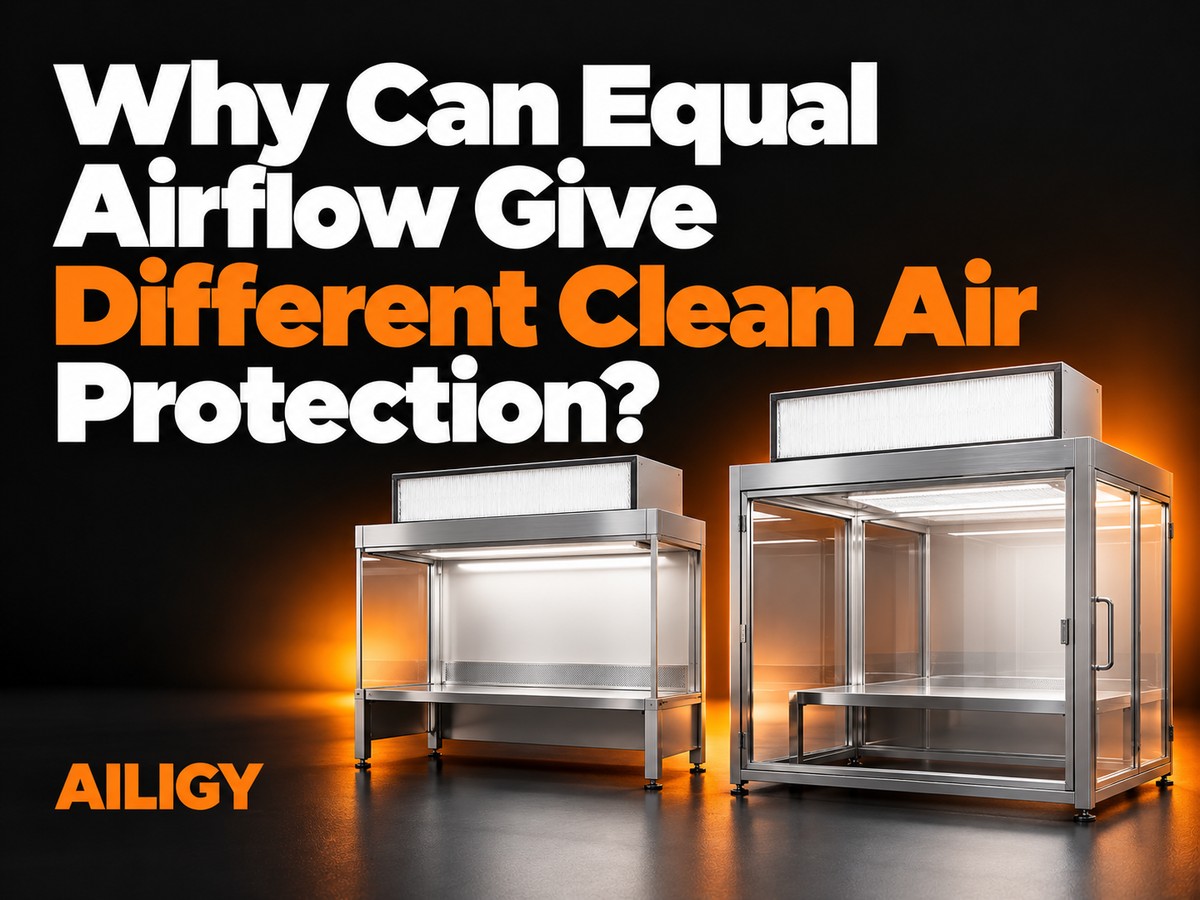 The same air volume may produce different protective effects because the air supply direction, effective coverage, pollution source location and return air path are different. Only when the air passes through the sensitive area and leaves as expected can it play a corresponding role. The total air volume itself cannot represent the quality of protection.
-
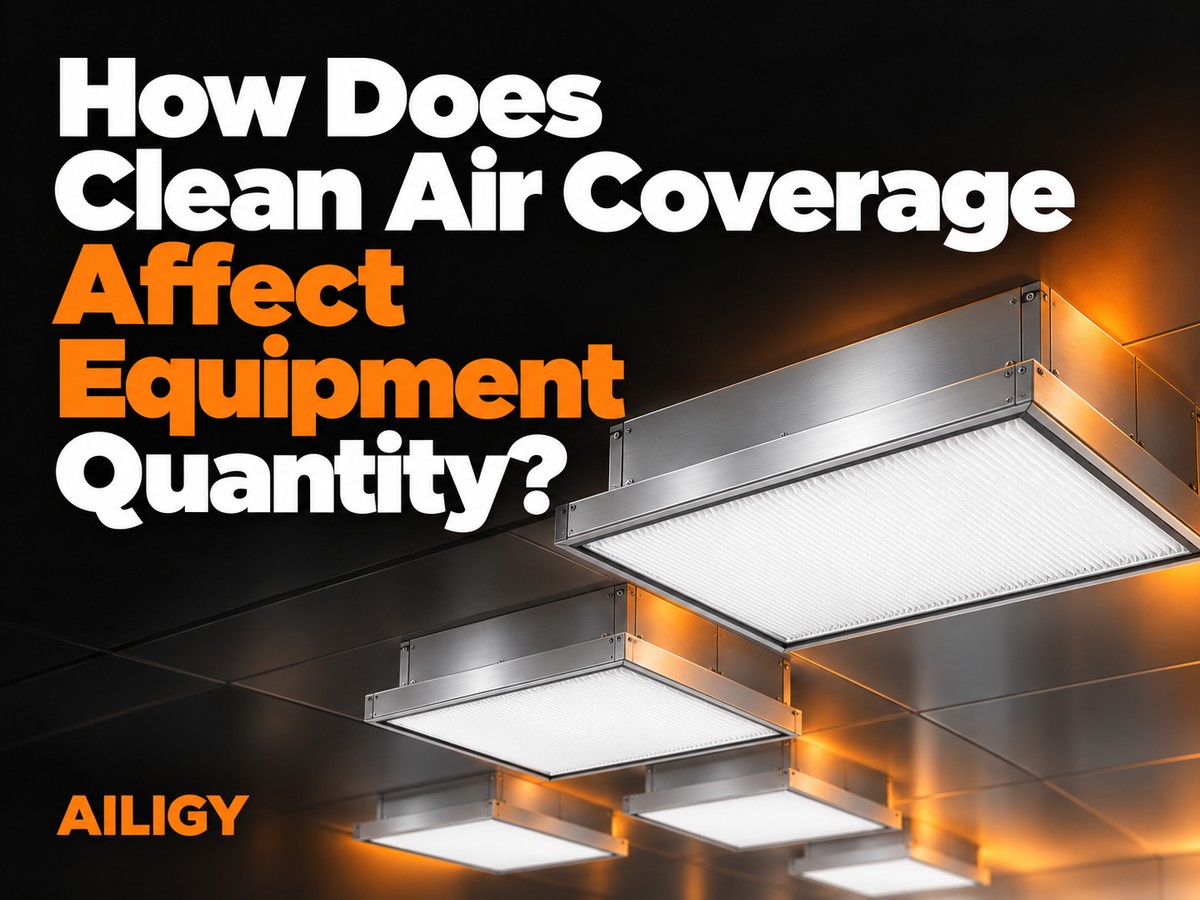 Whether FFU uses HEPA or ULPA filters should be judged based on the target cleanliness level, process sensitivity and filter resistance. ULPA is more efficient, but the resistance may increase, and the fan operating point needs to be checked. This article explains efficiency correspondence, resistance verification, scenario selection, and organizes project verification data and on-site judgment points. Aili Industry has complete production capabilities in FFU complete machines and high-efficiency filters, and can provide HEPA and ULPA filter configuration solutions. Welcome to contact Aili Industry for project support.
-
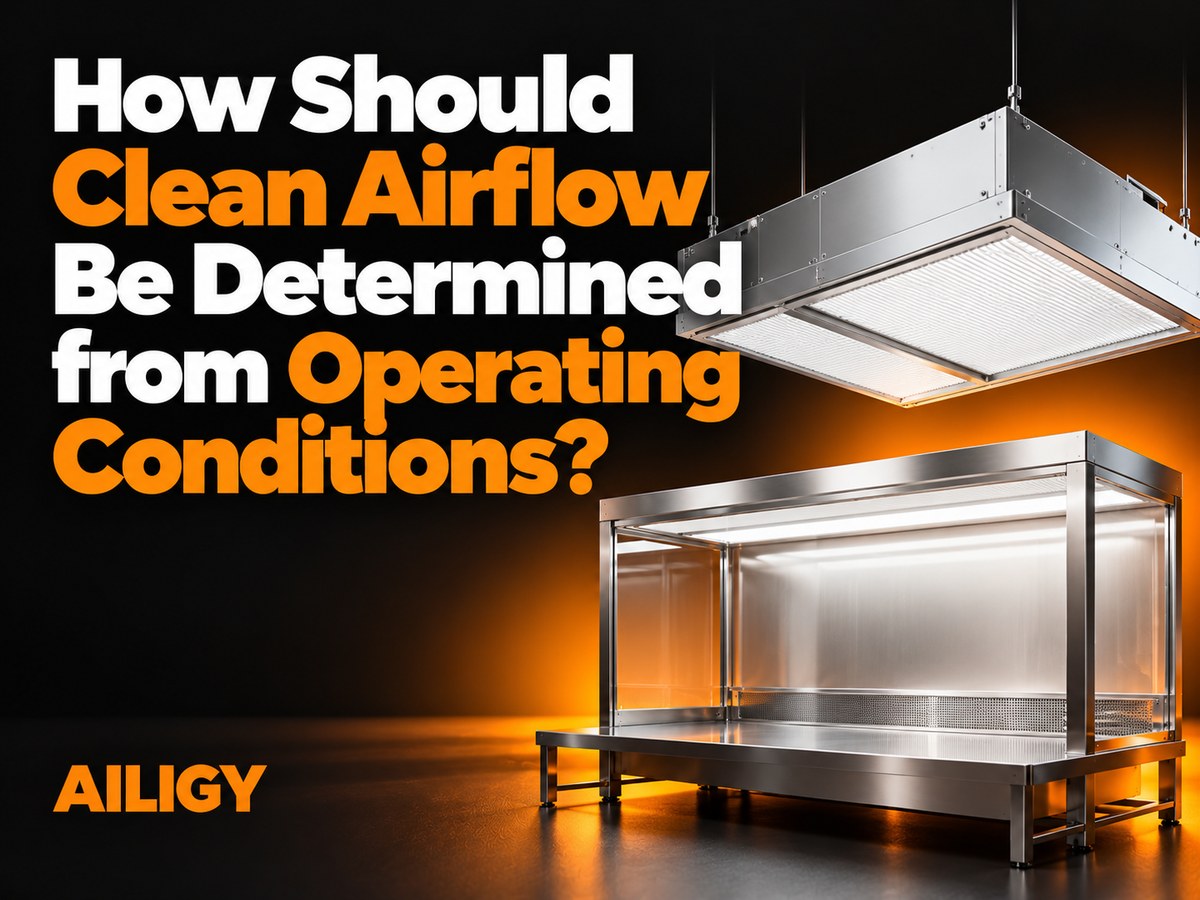 The clean air supply volume should be determined based on the protection range, air flow pattern, particle load, exhaust air and heat and humidity conditions. Area or cleanliness level can only provide partial information. Target operating conditions should be established first, and then system resistance and on-site verification can be used to check equipment capabilities.
-
 The average wind speed only reflects the overall level of multiple readings and does not indicate that each location is close to the target. High and low wind speeds may cancel each other out, forming a qualified average value but retaining local weak protection zones, so the distribution and differences of measuring points should be viewed at the same time.
-
 Air flow short circuit means that the supply air enters the return air or exhaust path before effectively passing through the protected area, which may result in sufficient total air volume but insufficient removal of workstation particles, slow recovery, or increased regional differences. It is necessary to check the actual path and not just the total air volume.
-
 To reduce local retention in a non-unidirectional flow clean room, it is necessary to coordinate the distribution of air supply and return air, the placement of equipment and the location of pollution sources, so that air can cover and leave each workstation. Increasing the nominal air exchange rate will not necessarily resolve areas that are blocked or have shorted airflow.
-
 Lateral disturbances in areas of unidirectional flow can be identified through airflow visualization, local wind direction and speed measurements, and operational correlation records. Focus on checking whether doorways, air-conditioning outlets, personnel movement, and equipment exhaust deflect the protective airflow or introduce background air.
-
 As the air supply distance increases, the airflow may change speed and direction due to diffusion, entrainment of background air and structural interference. The degree of change depends on the air outlet structure and environment. The wind speed on the air outlet surface cannot be directly regarded as the wind speed at the remote product location.
-
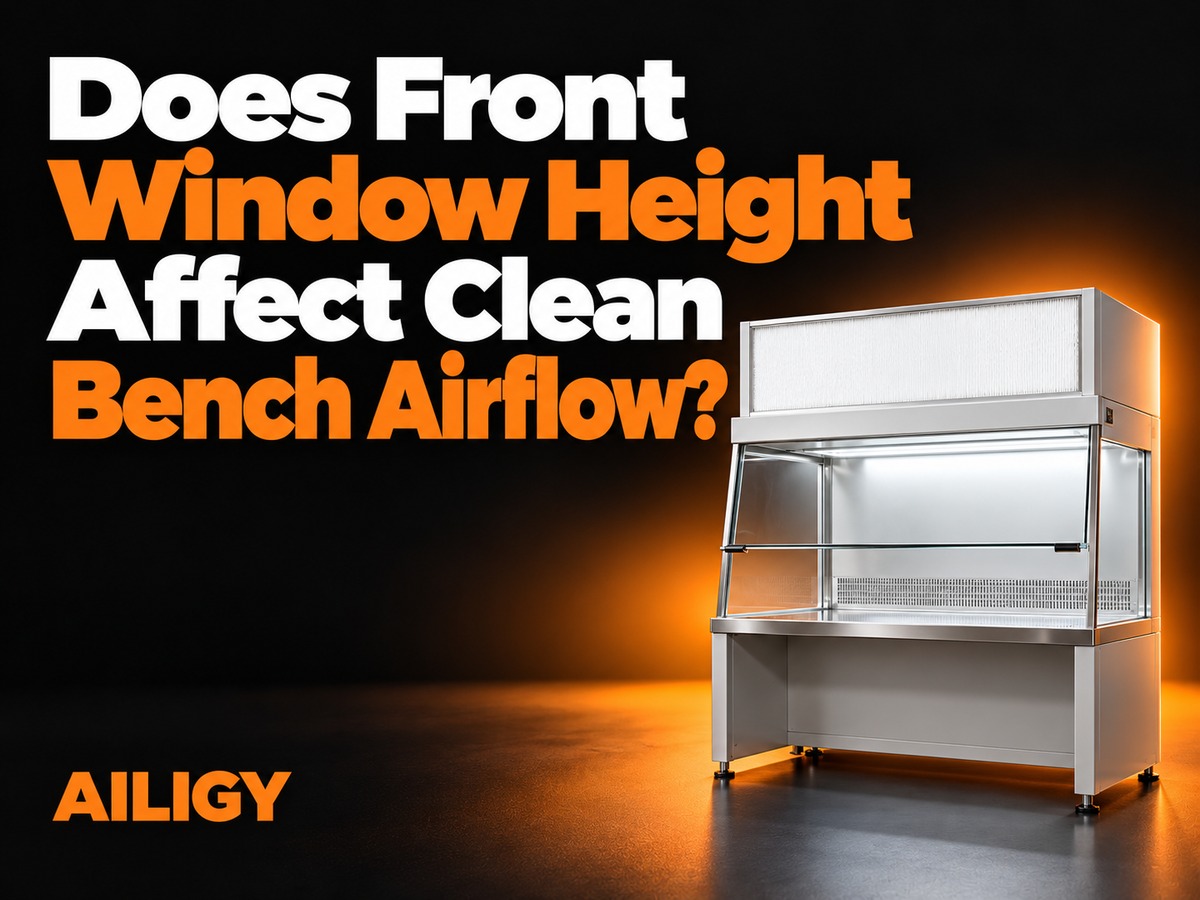 Workbench front window height affects local airflow by changing openings, external air exchange, and operating space. It should be operated in the usage position confirmed by the manufacturer. After adjusting the front window or adding a cover, the original protection conclusion cannot be used by default.
-
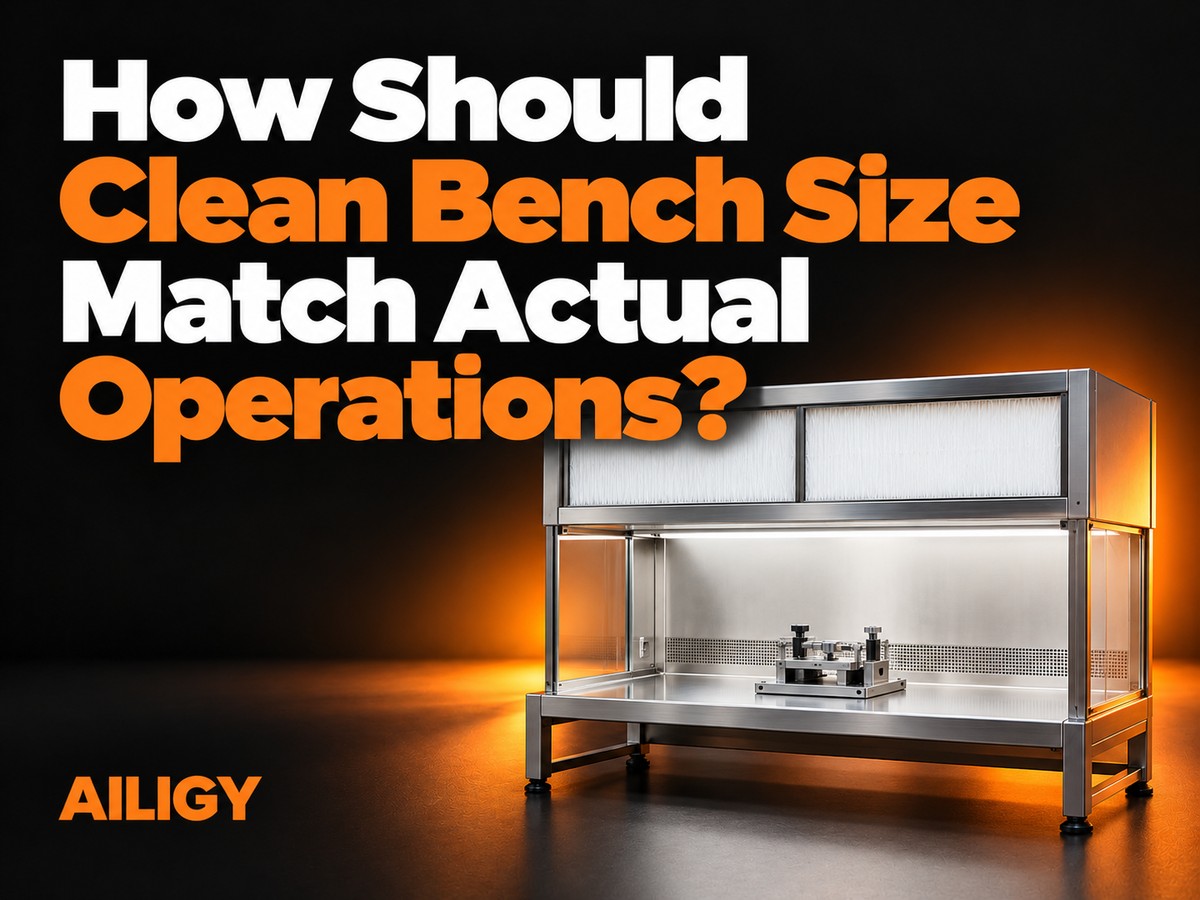 The size of the workbench surface should match the workpiece, fixtures, tools and operating paths, and leave space that does not block airflow. The usable area is not equal to the effective clean protection area. It should be selected based on the air outlet boundary and maintenance conditions, rather than just looking at the length and width of the desktop.
-
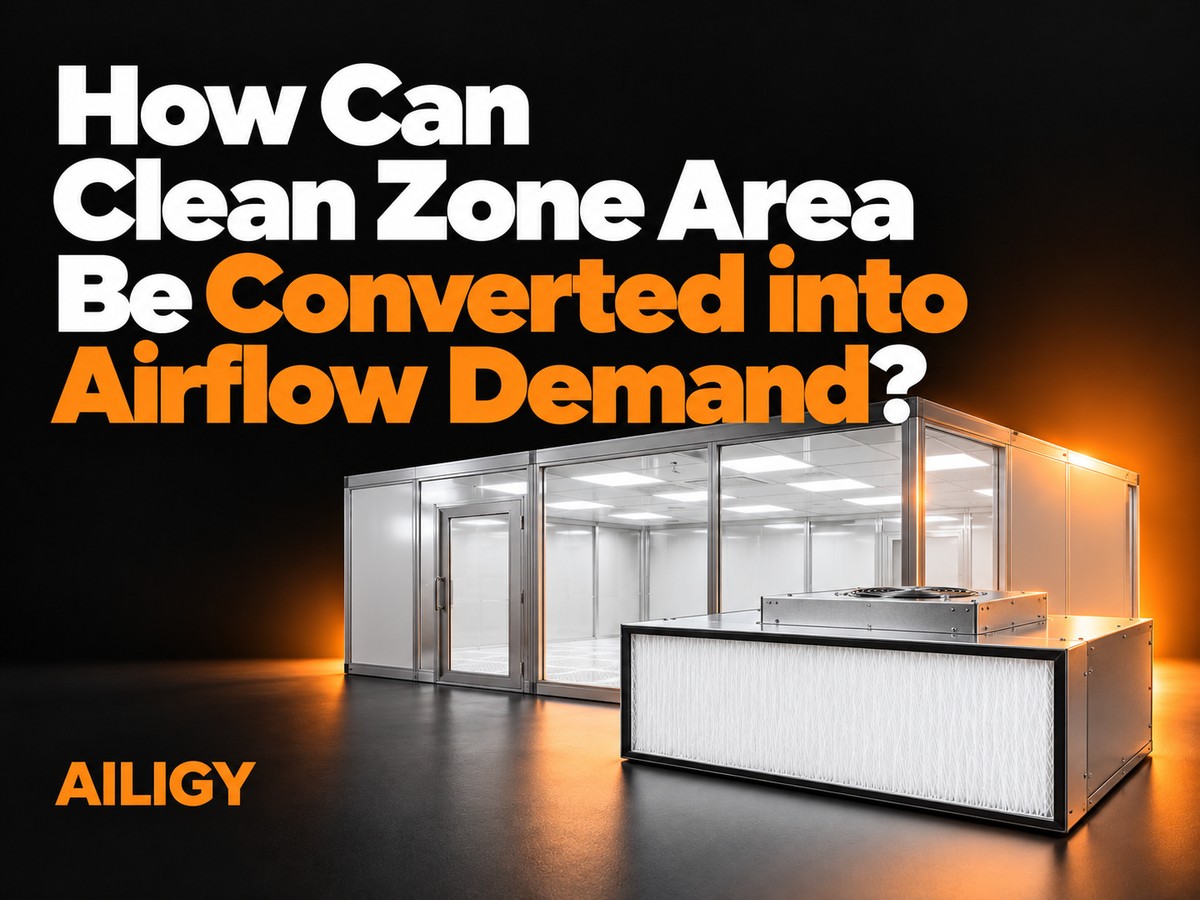 The area of the clean area cannot alone determine the air supply volume. The one-way flow area can be estimated by the effective air supply area and the target average wind speed. The non-unidirectional flow area can be initially calculated based on the volume and ventilation demand. Finally, the pollution load, heat and air flow organization must be checked.
-
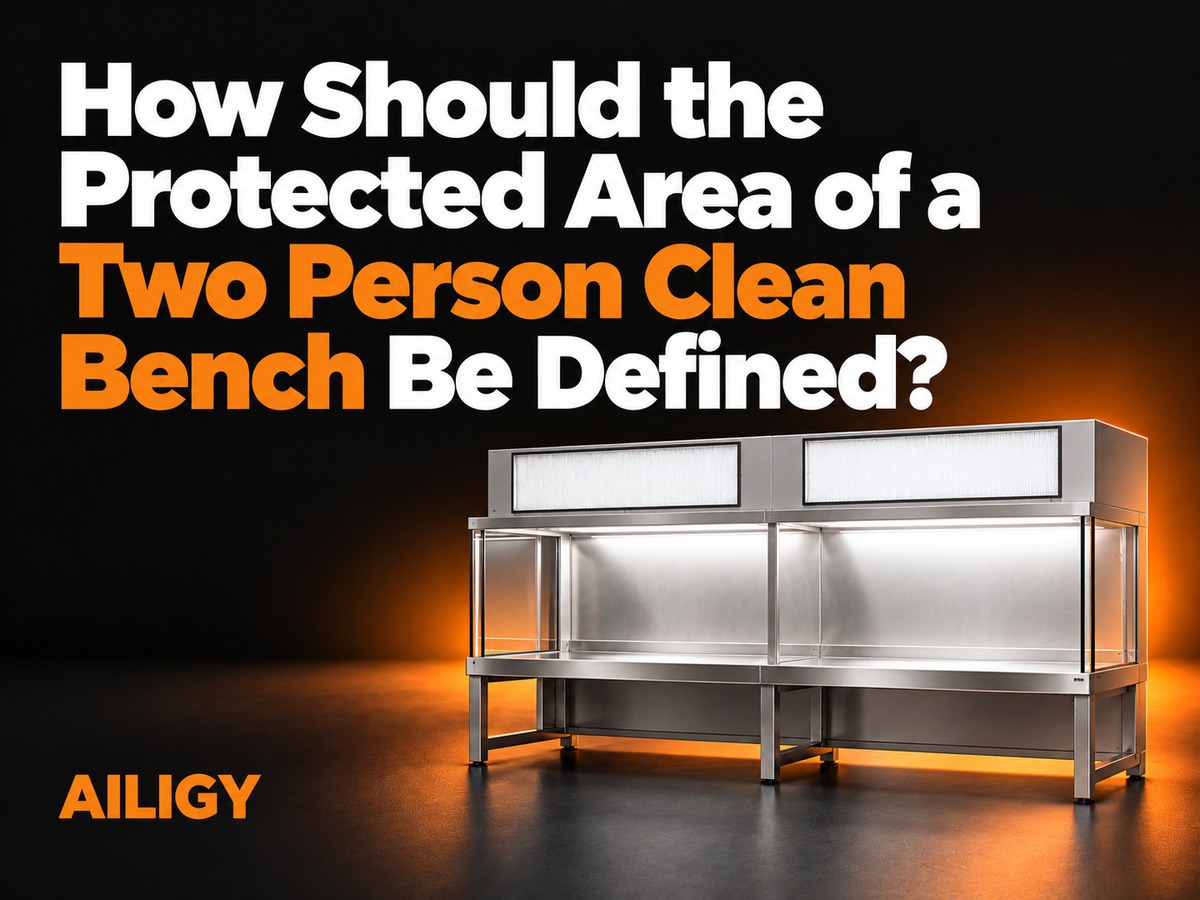 The protected area of a two-person clean workbench should be determined based on the effective air outlet range, the position of the workpiece and the actions of two people operating at the same time, rather than mechanically dividing the workbench in half. Mutual occlusion, material handover and external lateral airflow need to be checked and verified under representative actions.
-
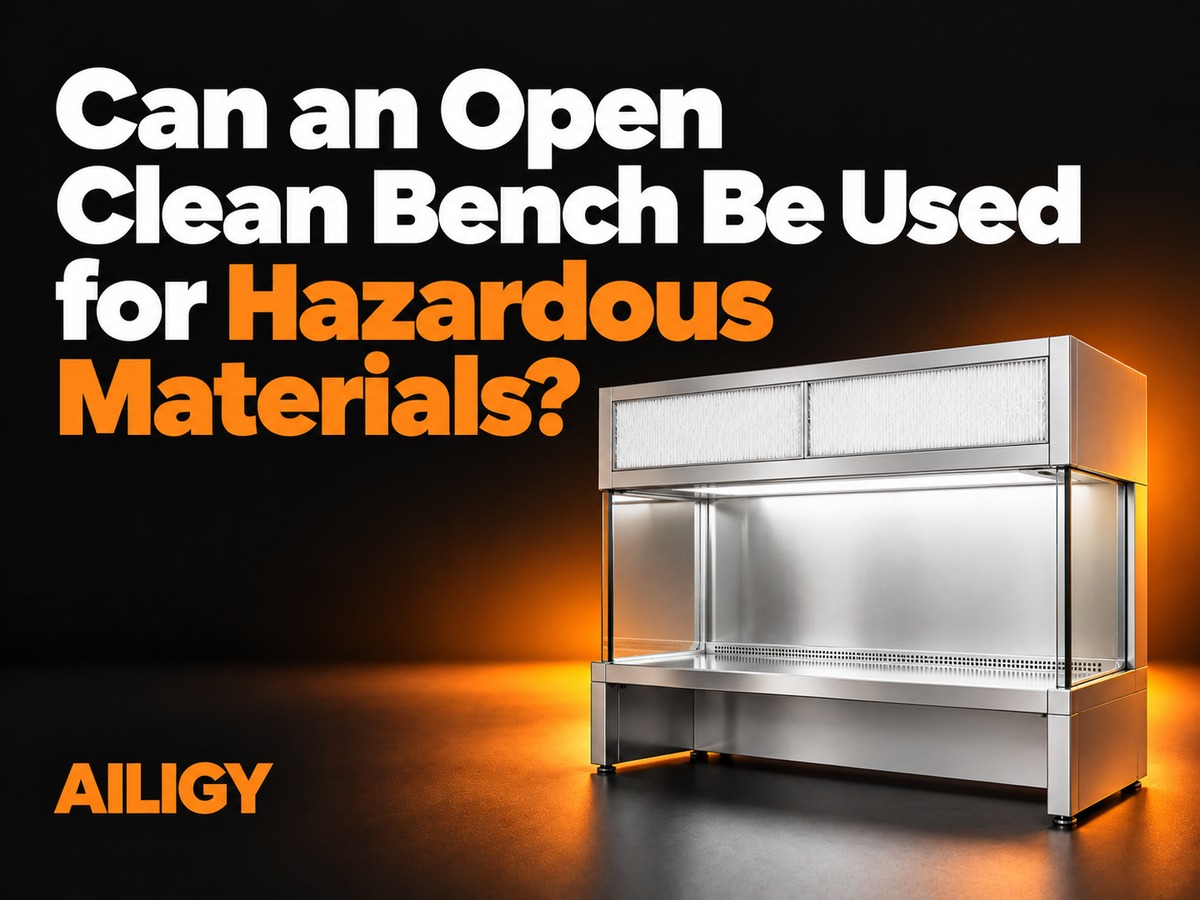 Ordinary open clean workbenches should not be used directly for hazardous material operations. Its clean air supply cannot limit the escape of hazardous materials by default; when infectious materials, harmful dust or steam are involved, the risk must be assessed first and corresponding engineering protection facilities selected.
-
 The main purpose of the clean workbench is product protection, and the biological safety cabinet undertakes corresponding biological safety protection tasks according to its type and usage conditions. The two cannot be interchanged based only on appearance or cleanliness level. When selecting, the operational risks and objects that need to be protected should be confirmed first.
-
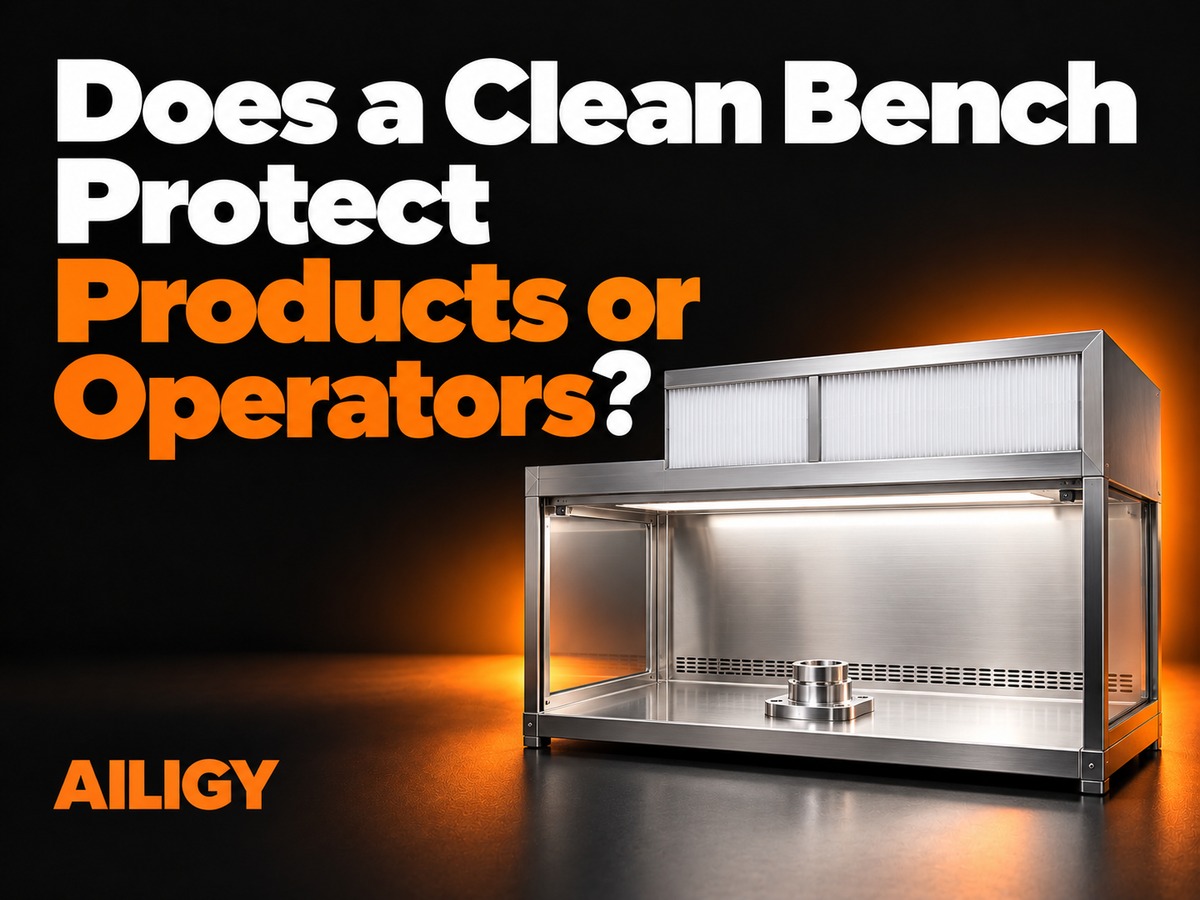 Ordinary clean workbench mainly provides local particle protection of products or samples and cannot be regarded as a protective barrier for operators or the environment. If potentially infectious materials, hazardous chemicals or other hazardous materials are involved, appropriate protective equipment should be selected based on the risk.
-
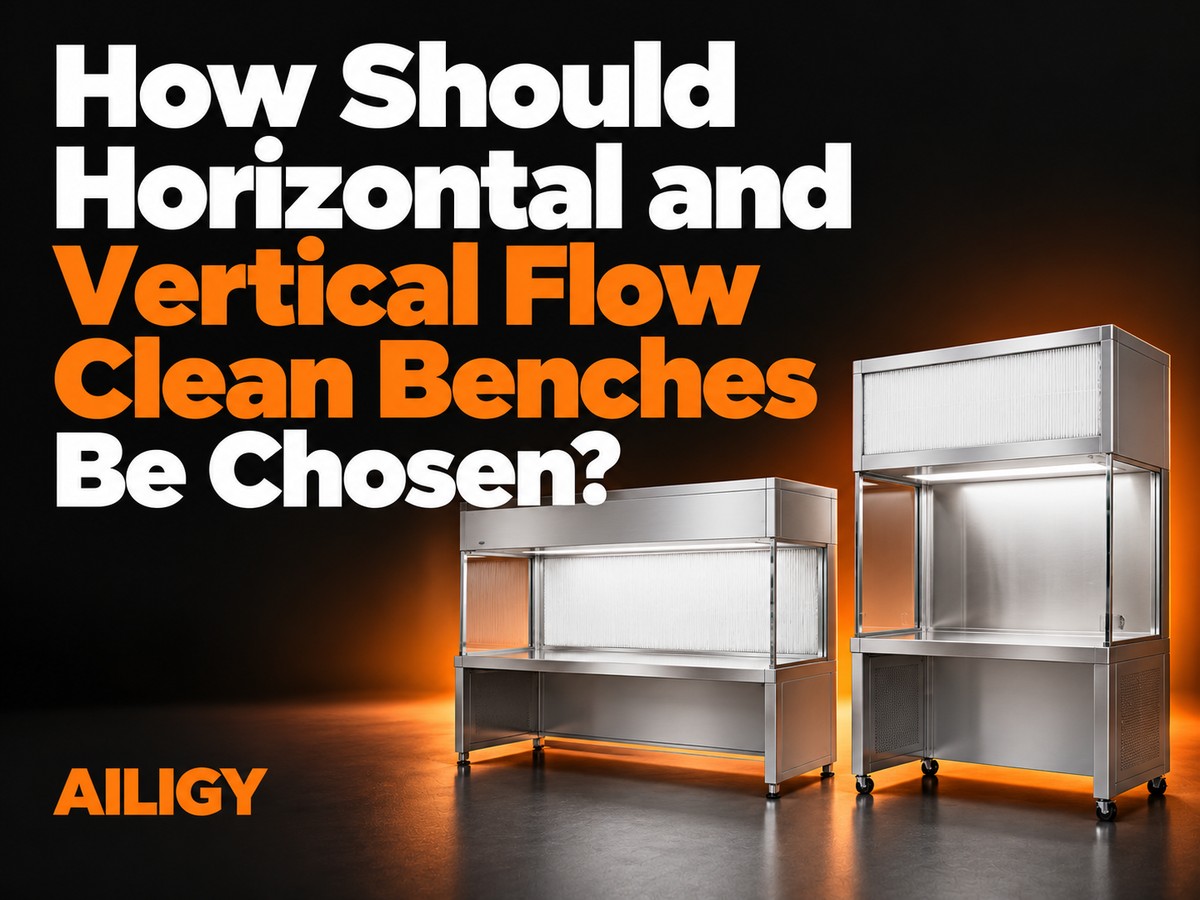 Horizontal flow and vertical flow clean workbench should be selected according to safe operating objects, workpiece shape, occlusion and action path. Both are typically used for product protection, and one should not be assumed to be capable of undertaking personal protection against hazardous materials just because of different airflow directions.
-
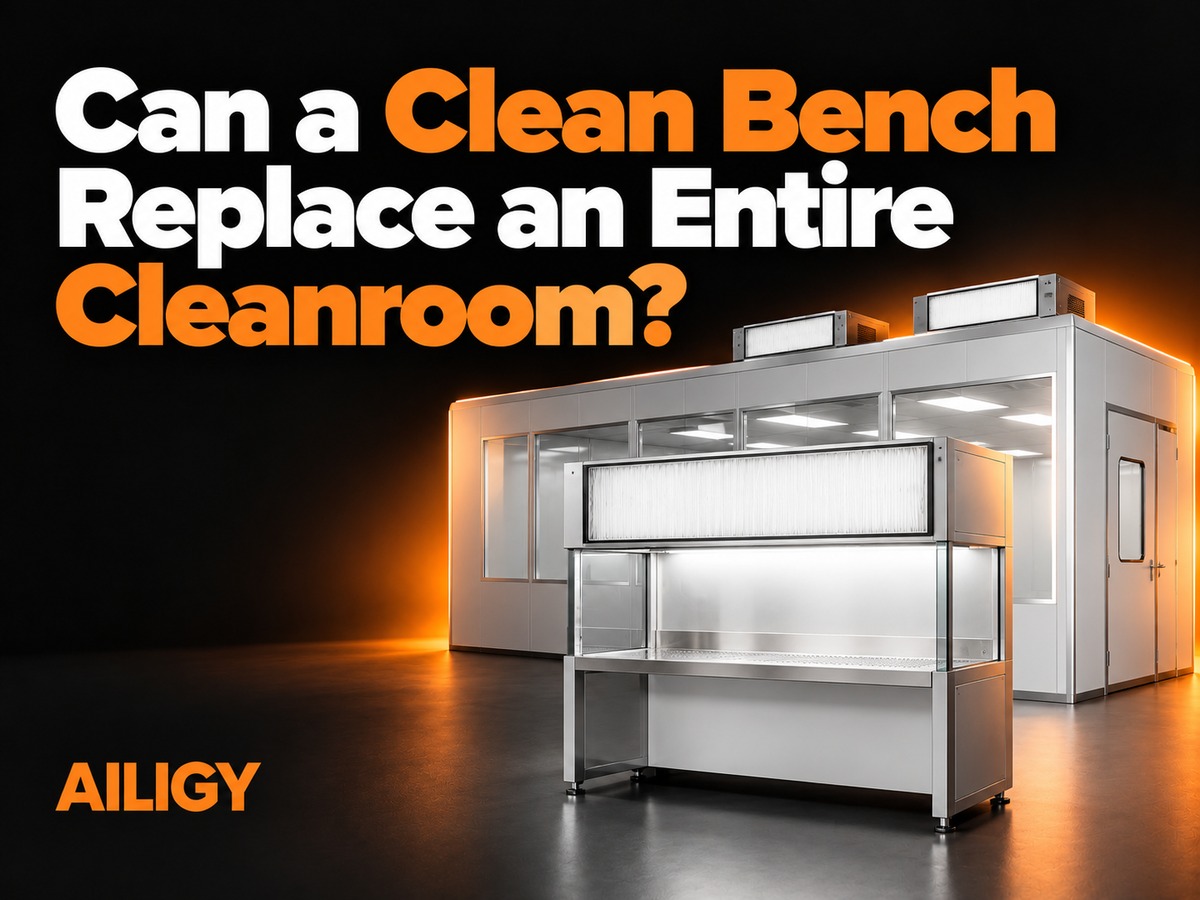 The clean workbench mainly protects a limited work area and cannot directly replace the entire clean room. Its effect depends on the background environment, airflow boundaries and operating actions; when the workpiece is transported or temporarily stored outside the stage, it still requires corresponding air and material protection.
-
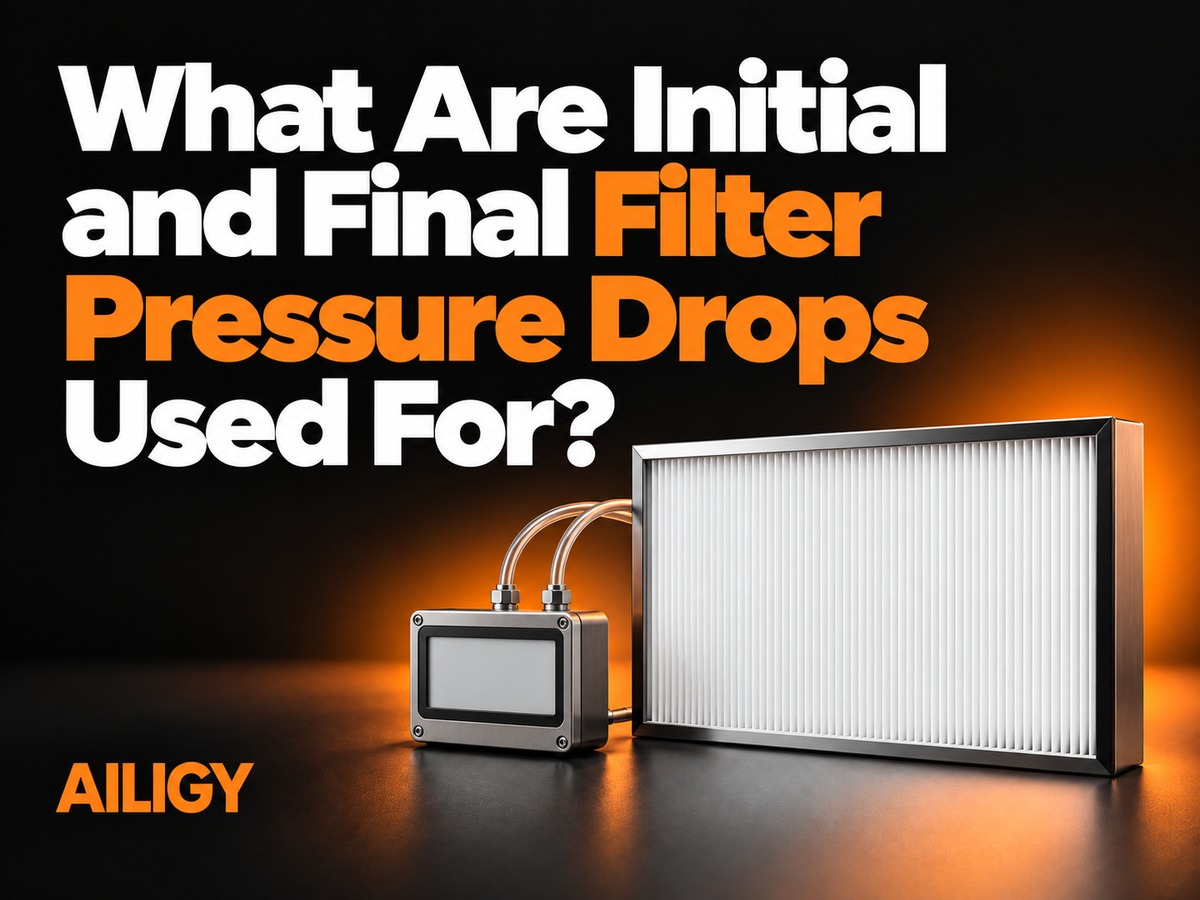 The initial resistance usually describes the pressure drop of a new filter under a specified air volume, and the final resistance is used to judge maintenance or replacement during the agreed use period. The final resistance is not the only life criterion. Damage, moisture, process risks and actual air supply capacity must also be considered.
-
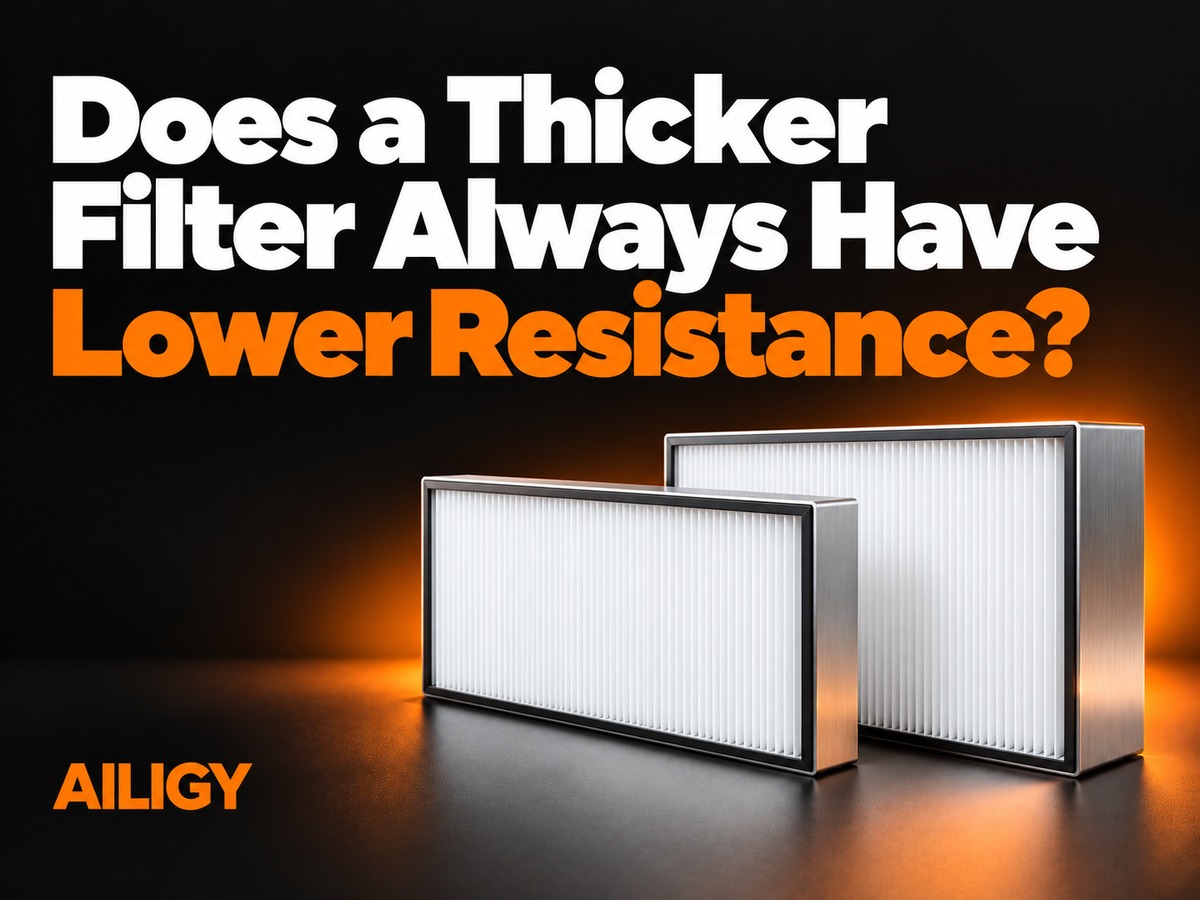 Increasing filter thickness does not necessarily reduce resistance. The pressure drop is determined by the characteristics of the filter material, folding structure, filter area, air volume and internal support; the thickness is only a structural parameter, and the specific model data under the same working conditions should be used for comparison.
-
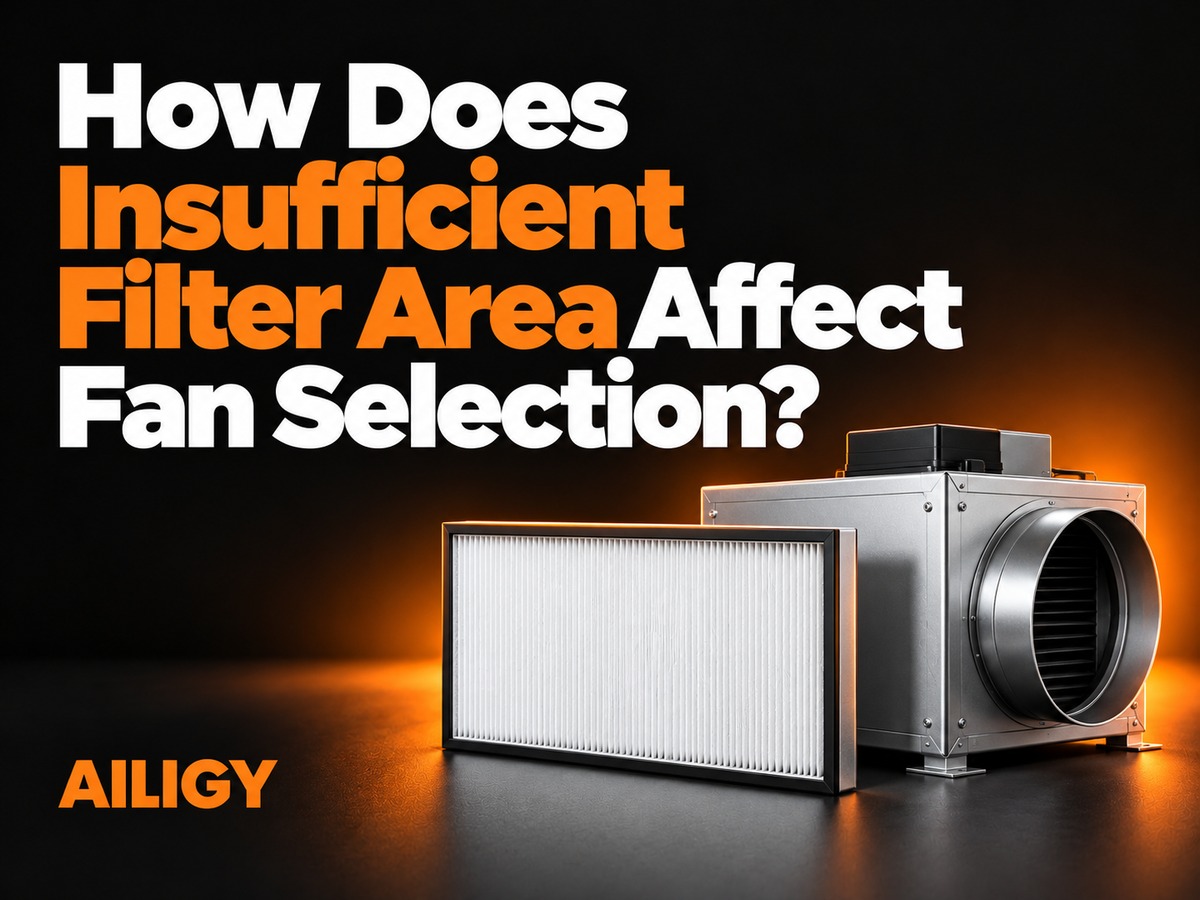 Insufficient filter area will increase the face velocity and resistance at the same air volume, and the fan may require higher pressure or speed to maintain flow. When selecting a model, you should first optimize the filter area and structure, and then check the fan curve. It is not advisable to simply compensate by increasing the motor.
-
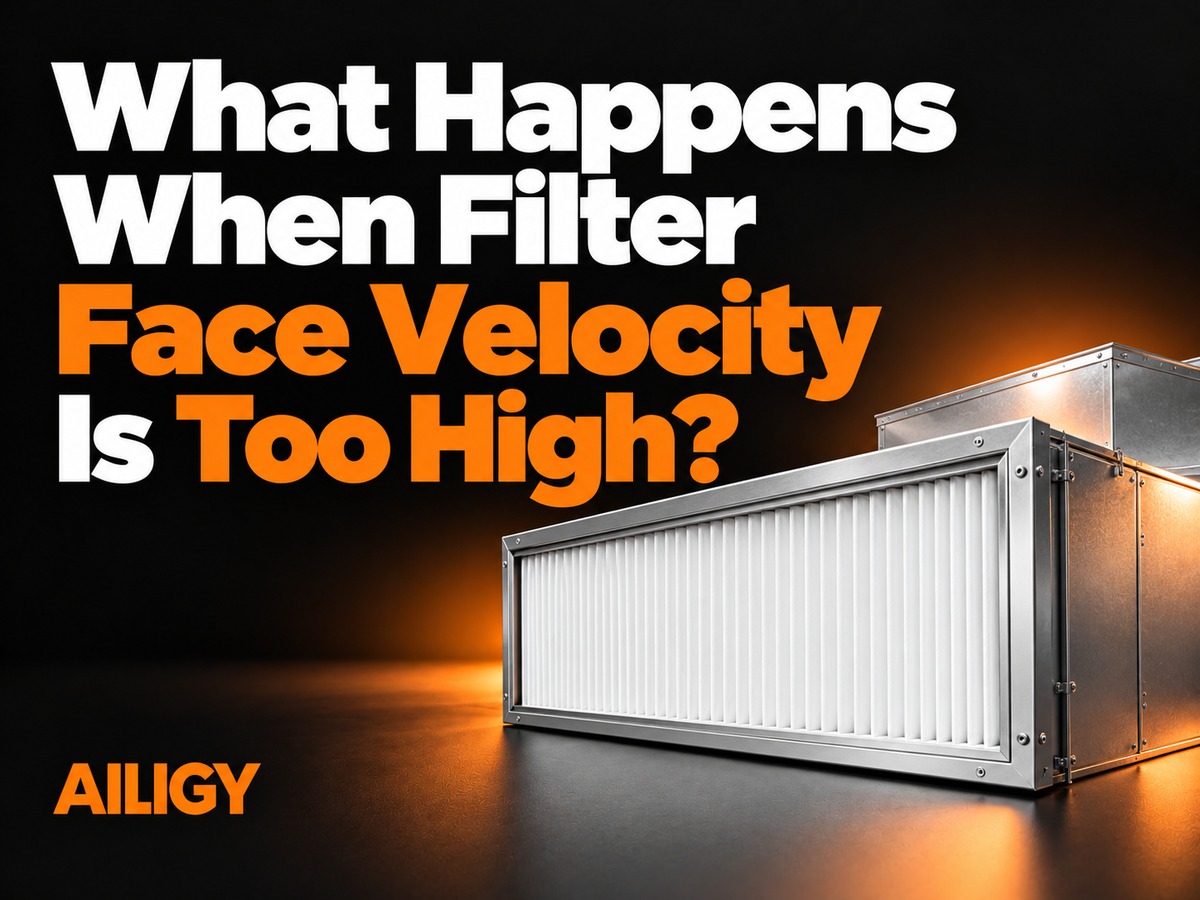 Too high a wind speed facing the filter may increase resistance, power consumption and noise, and cause the efficiency or sealing to withstand working conditions beyond the original confirmation range. It should be judged according to the performance and usage conditions of the specific model. It cannot be assumed that high wind speed is definitely conducive to cleanliness protection.
-
 The rated air volume of the filter is used to describe its specified test or design conditions. The actual operating air volume should fall within the usage range confirmed by the manufacturer. When selecting a model, you need to check the efficiency, resistance, and fan operating point. You cannot determine replacement based on the same size.
-
 The test particle size in the filter efficiency report should be read in conjunction with the adopted standard, test method and air volume. The fixed particle size results and the most penetrable particle size results are not the same caliber, and cannot be compared by just taking a percentage, nor can the filter material sample data be regarded as the finished product results.
-
 ISO Level 5 projects do not always require the use of ULPA. Whether to use ULPA should be judged based on process particle size sensitivity, background load, equipment structure and verification requirements; the appropriate HEPA solution also needs to be confirmed through sealing, airflow and on-site concentration testing.
-
 Higher filtration efficiency does not necessarily improve the cleanliness level of the site. If the particles mainly come from downstream dust production, seal leakage or air flow backflow, upgrading the filter cannot solve the root cause; if the increase in resistance leads to a decrease in air volume, it may also weaken effective protection.
-
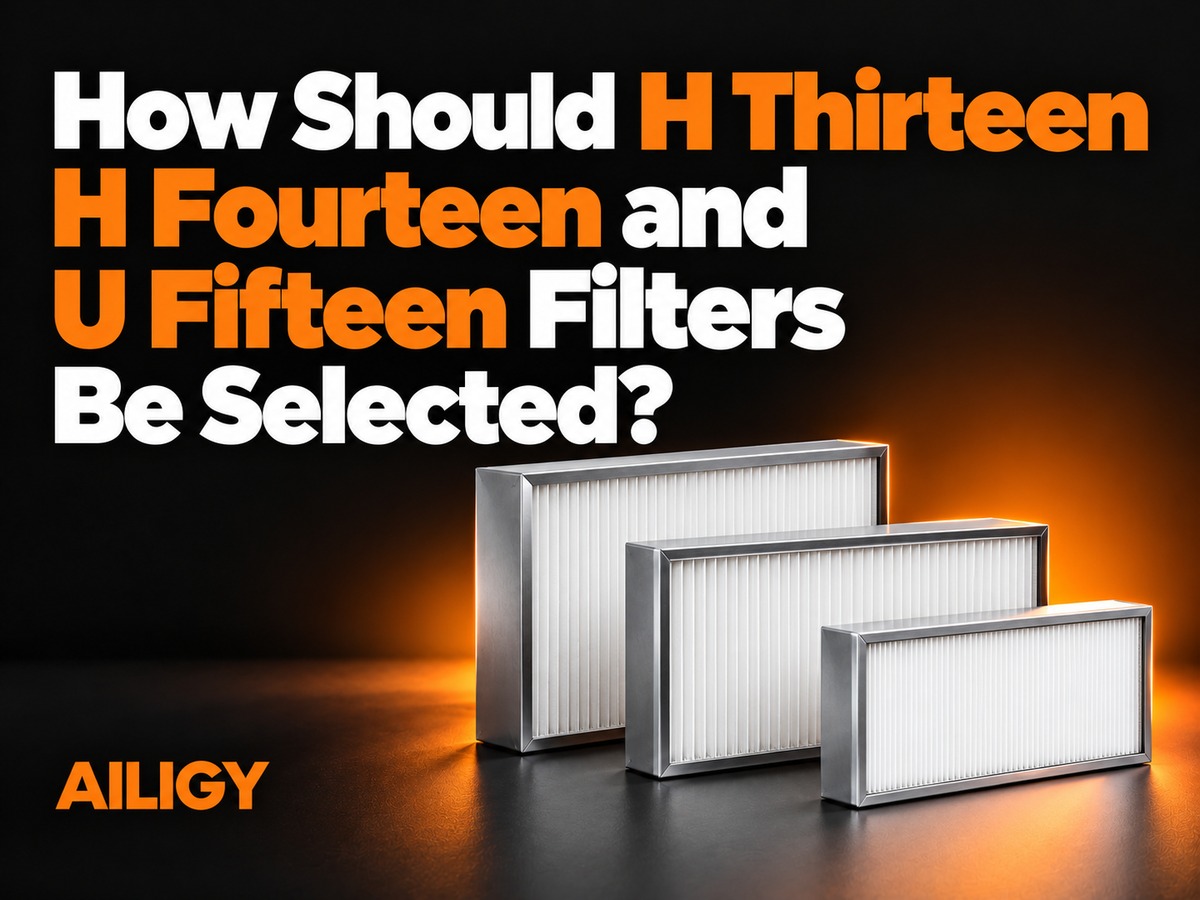 H13, H14 and U15 should be selected based on the adopted filter classification standards, process particle control objectives and overall machine capabilities. The grade difference description specifies efficiency requirements under test conditions and is not a corresponding label for the room's ISO grade.
-
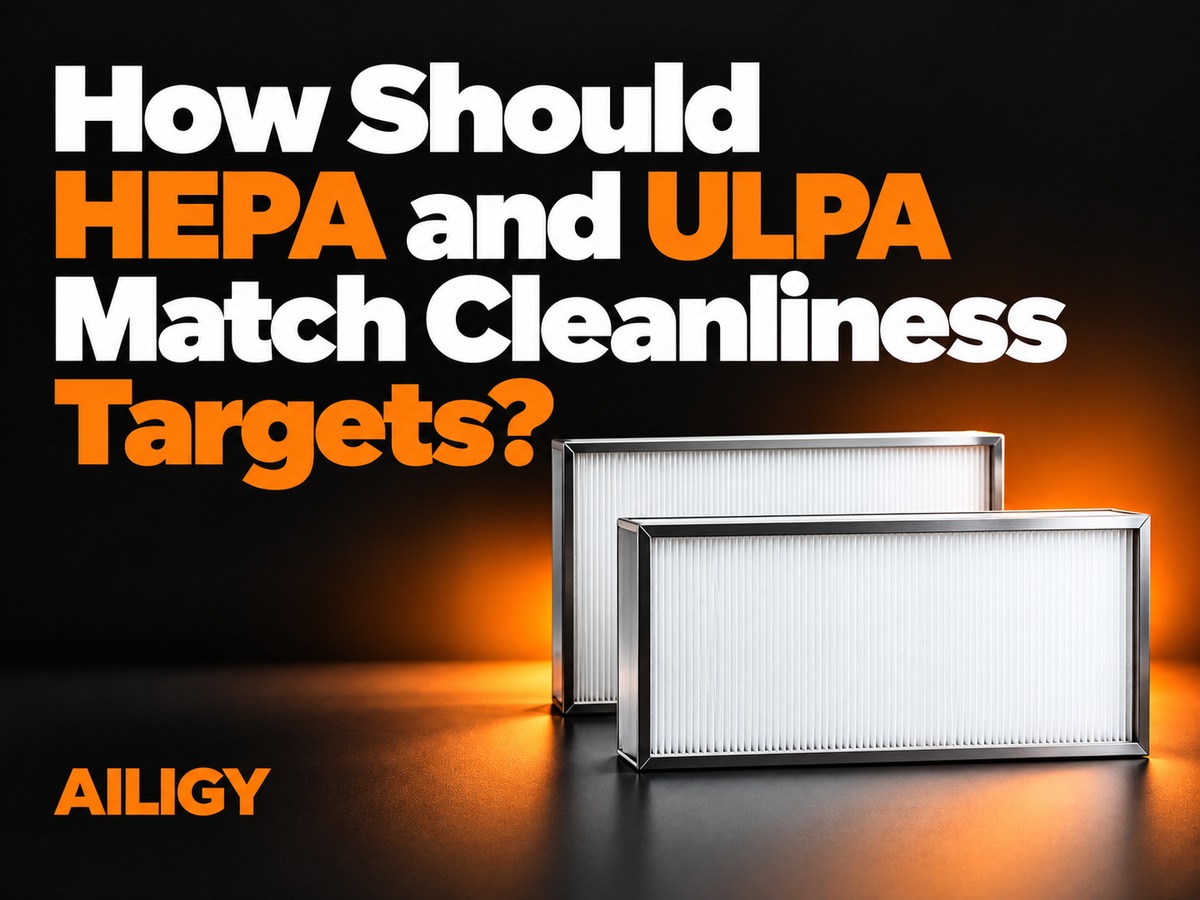 HEPA and ULPA should be selected based on process-sensitive particle size, allowable particle level, air volume and system resistance. Cleanliness level is one of the basis for configuration, but filters cannot be specified based on ISO numbers alone, nor should all locations be upgraded to ULPA.
Tailor-made air filtration solutions for your specific needs
Put forward your requirements and the Aili industrial engineering team can assist you in matching solutions.
nancy@shdsx.com 13646258112
