


Clean air supply at equipment end
Provide filtered clean air to designated locations based on key process areas within the equipment.
Ultra-thin and small size design
Structural matching for production equipment with limited head space, compact internal structure or restricted installation height.
Standard and non-standard customization
It can be configured according to the installation size, target air volume, static pressure, filtration efficiency, material and interface requirements.
Control and system integration
Supports multi-speed speed regulation, zone control, RS485 communication and interface cooperation with equipment control systems.
-
 This article explains that when the photoresist is sensitive to alkaline gases, the filtration target should be determined based on the specific photolithography process, material and equipment requirements. General deodorization standards or some universal AMC values cannot be directly regarded as requirements for the entire photolithography area. The article follows four steps: clarifying sensitive objects and detection calibers, assigning targets to actual protection locations, applying check points, verification and subsequent use. It points out that ammonia and amines should be distinguished and the actual use location of photoresist should be verified.
-
 This article explains that the chemical filtration section of the air conditioning box can be evaluated to handle acid gases and organic gases at the same time, but the media must be configured for specific components and the mixing load must be checked. The multi-gas name alone cannot guarantee that all acid gases and organic matter are effective. The article starts with four steps: first determining whether the filter has passed through the same filter section, comparing combinations and system conditions, application check points, verification and subsequent use, and points out that internal and external gas sources should be handled separately when they come from different sources.
-
 This article explains that the same project can evaluate the use of different chemical filter media, but their respective goals, combination sequence, environmental suitability and maintenance methods should be clearly defined. Putting different media together does not mean that the efficiency and capacity of mixed gases can be simply added. The article is divided into four links: distinguishing stratified and mixed configurations, verifying target gases item by item, application check points, verification and subsequent use, and points out that the combined configuration needs to be confirmed separately for each target gas.
-
 This article explains that cleaning agent safety data sheets can provide clues to the composition and properties of chemical filters, but they cannot replace on-site air testing. When selecting, you also need to understand the cleaning method, temperature, dosage, exhaust air and the actual gas entering the filter section. The article follows four steps: forming an investigation direction from chemical information, connecting documents with actual use, applying check points, verification and subsequent use. It points out that the occupational exposure limits in SDS cannot be used as filter outlet concentration targets.
-
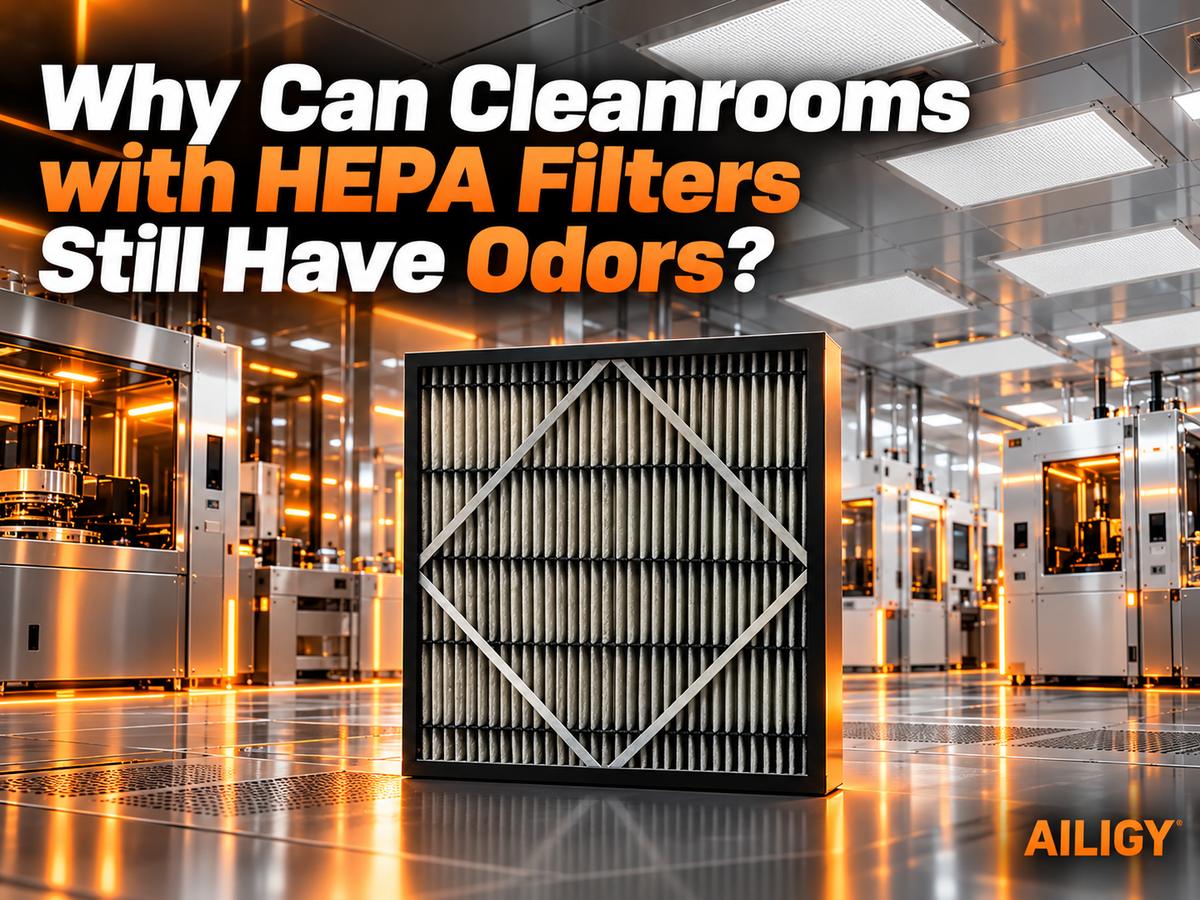 This article explains that there is still an odor after installing a high-efficiency filter in a clean room. The common reason is that the odor comes from gas or steam, and HEPA is mainly responsible for particle filtration. The article is divided into four links: qualified particles do not mean gas control, locating the source along the air path, application check points, verification and subsequent use. It points out that increasing the particle filtration level cannot automatically solve molecular pollution, and requires separate detection objects and treatment plans.
-
 Pharmaceutical shop chemical filters can be configured for matching gaseous contamination, such as specific organic gases or external odors. It is not a substitute for the respective control measures required for particulate, biofouling and process emissions.
-
 The air volume in the chemical filter quotation may be the rated air volume of a single module, or it may be the designed processing capacity of the entire set. The caliber needs to be clearly stated in the quotation. The number of modules, series-parallel relationship and actual allocation determine the system capability and cannot simply be added up by quantity.
-
 After the clean room is expanded, whether the original chemical filtration capacity is sufficient requires rechecking the treatment air volume, gas load, area sensitivity and air path. The increase in area is not necessarily proportional to the load, but the original plan cannot be used directly.
-
This article explains that when the photoresist is sensitive to alkaline gases, the filtration target should be determined based on the specific photolithography process, material and equipment requirements. General deodorization standards or some universal AMC values cannot be directly regarded as requirements for the entire photolithography area. The article follows four steps: clarifying sensitive objects and detection calibers, assigning targets to actual protection locations, applying check points, verification and subsequent use. It points out that ammonia and amines should be distinguished and the actual use location of photoresist should be verified.
-
This article explains that the chemical filtration section of the air conditioning box can be evaluated to handle acid gases and organic gases at the same time, but the media must be configured for specific components and the mixing load must be checked. The multi-gas name alone cannot guarantee that all acid gases and organic matter are effective. The article starts with four steps: first determining whether the filter has passed through the same filter section, comparing combinations and system conditions, application check points, verification and subsequent use, and points out that internal and external gas sources should be handled separately when they come from different sources.
-
This article explains that the same project can evaluate the use of different chemical filter media, but their respective goals, combination sequence, environmental suitability and maintenance methods should be clearly defined. Putting different media together does not mean that the efficiency and capacity of mixed gases can be simply added. The article is divided into four links: distinguishing stratified and mixed configurations, verifying target gases item by item, application check points, verification and subsequent use, and points out that the combined configuration needs to be confirmed separately for each target gas.
-
This article explains that cleaning agent safety data sheets can provide clues to the composition and properties of chemical filters, but they cannot replace on-site air testing. When selecting, you also need to understand the cleaning method, temperature, dosage, exhaust air and the actual gas entering the filter section. The article follows four steps: forming an investigation direction from chemical information, connecting documents with actual use, applying check points, verification and subsequent use. It points out that the occupational exposure limits in SDS cannot be used as filter outlet concentration targets.
-
This article explains that there is still an odor after installing a high-efficiency filter in a clean room. The common reason is that the odor comes from gas or steam, and HEPA is mainly responsible for particle filtration. The article is divided into four links: qualified particles do not mean gas control, locating the source along the air path, application check points, verification and subsequent use. It points out that increasing the particle filtration level cannot automatically solve molecular pollution, and requires separate detection objects and treatment plans.
-
Pharmaceutical shop chemical filters can be configured for matching gaseous contamination, such as specific organic gases or external odors. It is not a substitute for the respective control measures required for particulate, biofouling and process emissions.
-
The air volume in the chemical filter quotation may be the rated air volume of a single module, or it may be the designed processing capacity of the entire set. The caliber needs to be clearly stated in the quotation. The number of modules, series-parallel relationship and actual allocation determine the system capability and cannot simply be added up by quantity.
-
After the clean room is expanded, whether the original chemical filtration capacity is sufficient requires rechecking the treatment air volume, gas load, area sensitivity and air path. The increase in area is not necessarily proportional to the load, but the original plan cannot be used directly.
-
This article explains that when the photoresist is sensitive to alkaline gases, the filtration target should be determined based on the specific photolithography process, material and equipment requirements. General deodorization standards or some universal AMC values cannot be directly regarded as requirements for the entire photolithography area. The article follows four steps: clarifying sensitive objects and detection calibers, assigning targets to actual protection locations, applying check points, verification and subsequent use. It points out that ammonia and amines should be distinguished and the actual use location of photoresist should be verified.
-
This article explains that the chemical filtration section of the air conditioning box can be evaluated to handle acid gases and organic gases at the same time, but the media must be configured for specific components and the mixing load must be checked. The multi-gas name alone cannot guarantee that all acid gases and organic matter are effective. The article starts with four steps: first determining whether the filter has passed through the same filter section, comparing combinations and system conditions, application check points, verification and subsequent use, and points out that internal and external gas sources should be handled separately when they come from different sources.
-
This article explains that the same project can evaluate the use of different chemical filter media, but their respective goals, combination sequence, environmental suitability and maintenance methods should be clearly defined. Putting different media together does not mean that the efficiency and capacity of mixed gases can be simply added. The article is divided into four links: distinguishing stratified and mixed configurations, verifying target gases item by item, application check points, verification and subsequent use, and points out that the combined configuration needs to be confirmed separately for each target gas.
-
This article explains that cleaning agent safety data sheets can provide clues to the composition and properties of chemical filters, but they cannot replace on-site air testing. When selecting, you also need to understand the cleaning method, temperature, dosage, exhaust air and the actual gas entering the filter section. The article follows four steps: forming an investigation direction from chemical information, connecting documents with actual use, applying check points, verification and subsequent use. It points out that the occupational exposure limits in SDS cannot be used as filter outlet concentration targets.
-
This article explains that there is still an odor after installing a high-efficiency filter in a clean room. The common reason is that the odor comes from gas or steam, and HEPA is mainly responsible for particle filtration. The article is divided into four links: qualified particles do not mean gas control, locating the source along the air path, application check points, verification and subsequent use. It points out that increasing the particle filtration level cannot automatically solve molecular pollution, and requires separate detection objects and treatment plans.
-
Pharmaceutical shop chemical filters can be configured for matching gaseous contamination, such as specific organic gases or external odors. It is not a substitute for the respective control measures required for particulate, biofouling and process emissions.
-
The air volume in the chemical filter quotation may be the rated air volume of a single module, or it may be the designed processing capacity of the entire set. The caliber needs to be clearly stated in the quotation. The number of modules, series-parallel relationship and actual allocation determine the system capability and cannot simply be added up by quantity.
-
After the clean room is expanded, whether the original chemical filtration capacity is sufficient requires rechecking the treatment air volume, gas load, area sensitivity and air path. The increase in area is not necessarily proportional to the load, but the original plan cannot be used directly.
| Parameter category | What needs to be provided | Parameter category | What needs to be provided |
| Application equipment | Device name and usage area | Installation space | Available length, width, height |
| target cleanliness | Cleanliness level and process requirements | Air parameters | Air volume, wind speed, static pressure |
| Filtering requirements | H13, H14, U15, U16, etc. | Equipment drawings | Installation hole location and interference structure |
| Power supply conditions | Voltage, frequency and wiring method | control requirements | Speed regulation, communication and equipment linkage |
| Cabinet requirements | Materials, finishes and construction | Maintenance method | Filter and fan maintenance directions |
| Number of items | Prototype and batch requirements | Testing requirements | Air volume, noise, uniformity, etc. |
EFU technical support
As a professional EFU equipment-side fan filter unit for the entire industry chain, what kind of technical support can Aili Industry provide?
Equipment selection support
Assist in determining the basic specifications of EFU based on the internal space of the equipment, target cleanliness, air supply area, air volume, wind speed, static pressure and filtration efficiency.
Structure and interface support
Check the EFU length, width and height, installation hole positions, air inlet and outlet directions, fixing methods, maintenance directions and structural interference according to the equipment drawings.
Air volume and airflow support
Combined with the key process areas and structural shielding inside the equipment, confirm the air supply range, target wind speed and wind speed uniformity requirements.
Filter configuration support
Select filter efficiency, size and sealing based on particle control objectives, equipment space, available static pressure and inspection requirements.
Electrical and Control Support
Confirm the input power supply, speed control mode, communication interface, device address, partition logic and linkage requirements with the main equipment control system.
Prototype and batch project support
For ultra-thin, small size or special performance EFU, the configuration can be solidified through confirmation drawings, technical parameters and prototype testing, and then used for subsequent mass production.


Contact us now
Contact us now
